
Nose Family
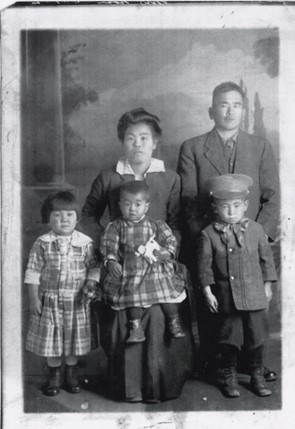
1919年 ノセの家族写真
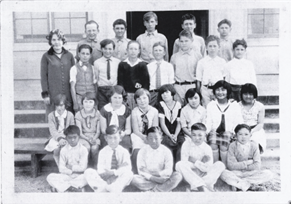
1924年 集合写真
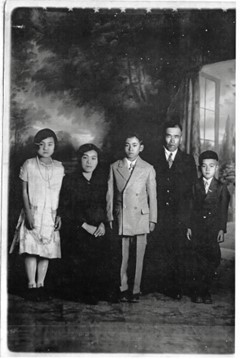
1925年 ノセの家族写真
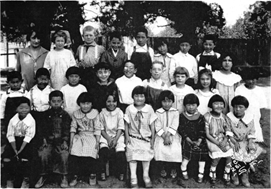
1927年 ミリケン学校の集合写真
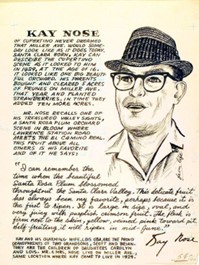
ピート・エミッグによるケイ・ノーズのイラスト「ヒューマン・タッチ」
Did you know…? The name of the city of “Cupertino” hasn’t always been pronounced the same as it often is today. Instead of being pronounced like /ˌkuːpərˈtiːnoʊ/ KOOP-ər-TEEN-oh, it was pronounced as /ˌkjuːpərˈtiːnoʊ/ KYOOP-ər-TEEN-oh, like in “cute” or “cupid”. This older pronunciation is still heard today among the older generations!
カリフォルニア州サンタクララ・バレーのキュパティーノにおける初期の日本人家族
これは「Cupertino Historical Society and Museum」と「Cupertino-Toyokawa Sister Cities Program」の共同制作です。
ご存知でしたか…?
かつて、Cupertinoの都市の名前は、今日一般的に発音されるものとは英語で異なっていまた。現在では、現地での発音は /ˌkuːpərˈtiːnoʊ/ であり「クーパーティーノウ」に近いが、以前の世代では /ˌkjuːpərˈtiːnoʊ/ であり、「キューパーティーノウ」に近いと読みました。
これが、この都市の名前が日本語で「クパチーノ」「クパティーノ」「キュパティーノ」「キュパーティノ」など、様々な表記方法で書かれてきた理由の一部です。
CHSMは、将来の世代のためにCupertinoの歴史を保存するという趣旨から、この展示では、より古い表記である「キュパティーノ」を使用することにいたしました。
The Nose Family by Arnold Nose (as told to Judith Carson Croes) February, 1990
Early Days in America
The elder Mr. Nose left Fukuoka, Japan in 1907 and settled first on Oahu, Hawaii where he worked in a candy store. When he came to the mainland and to Calif. he settled first on Agnew and worked as a laborer in the pear orchards of Brecker Ranch.
In 1920 he moved his family to the Santa Clara area where he worked as a sharecropper on Bowers Ranch, growing berries and vegetables. Between 1913 and 1917 three children were born unto the Nose family, a son Kay, 1913, a daughter, Natsue in 1913 and a second Arnold, in 1917.
All three children attended Milliken School on Lawrence Road, then to Jefferson School, which was brand new in 1929, the family moved to Cupertino, bought property on Miller Avenue and went first into the prune business - then onto berries and cherries. Arnold remembers only two other Japanese families in the area at the time
Wartime Difficulties
In 1941 the Nose family was uprooted from their farm and would not return until 1946. As Arnold Nose related it, “On December 12, at noon, I was surveying property on San Carlos (now Stevens Creek Blvd) for irrigation when I heard on the can radio that Pearl Harbor had been attacked. I jumped in the car and drove home. My family used to go to Pismo Beach and that’s where my mother and father and some friends were that day. Martial law had been declared and there was an 8pm curfew. We had to pick up my parents.”
The Nose family stayed in Cupertino until April and then received notice in the mail that they would be evacuated to San Jose to the Santa Anita Race Track, where an internment camp had been set up. The family slept on canvas cots set up on asphalt floors of the stables - with the horses. About 18,000 people were interned at that particular camp. The family stayed in that camp for about 3 months and then were packed into trains and shipped to the Heart Mountain Camp in Wyoming - one of 10 across the U.S.
At the time the Noses arrived it was 18° below zero and the buildings had not been completed. They stayed at Heart Mountain for 3 ½ years until 1945. Arnold worked as senior steward in the commissary where he met his wife-to-be, Yasuko, who had come to the camp from L.A. with her family.
The Heart Mountain camp - called a “project” - provided challenges to the Noses and their camp community, but Arnold philosophically notes that it also provided some new experiences as well. The Japanese-Americans at Heart Mountain built baseball grounds, tennis courts, a 3-hole golf course and Arnold went fishing. He also met Yasuko and they were married in the camp in 1944.
Returning Home and Later Years
After the war, the Nose family were lucky enough to be able to return to their same property in Cupertino - something that most returnees were not able to do. Mr. Nose credits his guardian and attorney, Mr. Duncan O’Neal of San Jose, with assisting the family during these terrible times. He rented the property during their absence so that the mortgage would be paid.
While the Nose family waited for the vacating of their property by the renters, they first stayed in the barn on the property and then in some government barracks when these were made available for sale. At this time there were other Japanese-American families without a place to stay and the Noses let them live in some of these same barracks.
In 1946 the family was able to get back into their home and get on with their lives. They started up their farm again, and about ten years later Arnold’s brother and sister started West Valley Nursery on Miller Avenue. The nursery closed about 1979.Arnold worked on the ranch and also went into the auto business into a Ford dealership.
Arnold and Yasuko Nose have five children, three sons and two daughters. In 1977 Arnold Nose decided to retire, two years later he was tired of retirement and looked for another business. Yasuko had worked in a health store and in the Fall 1979 they opened the very successful Shizen healthfood store in the former Oaks Shopping Center.
ノセ一家(アーノルド・ノセ 語り / ジュディス・カーソン・クロエス 記録)1990年2月
初期のアメリカ
ノセ氏の父は1907年に日本の福岡を離れ、最初にハワイのオアフ島に移り、そこでキャンディー店で働きました。 その後、本土のカリフォルニア州に渡り、最初はアグニューに定住し、ブレッカー牧場の梨園で労働者として働きました。
1920年には家族とともにサンタクララ地域へ移り、バワーズ牧場で小作農としてベリーや野菜を栽培しました。 長男ケイが1913年、長女ナツエが同じく1913年、そして次男アーノルドが1917年に誕生しました。
3人の子供たちはローレンスロードにあるミリケン校に通い、その後、1929年に新設されたジェファーソン校に進みました。 家族はキュパティーノに移り、ミラーアベニューに土地を購入し、最初はプルーン栽培を手がけ、その後、ベリーやチェリーの栽培に移行しました。 アーノルドの記憶では、当時その地域には他に日本人家族が2世帯しかいませんでした。
戦時中の困難
1941年、ノセ家は農場から強制退去させられ、1946年まで戻ることができませんでした。 アーノルド・ノセが語ったところによると、「12月12日の正午、私がサンカルロス(現在のスティーブンズクリーク ブールバード)で灌漑のための土地調査をしていると、車のラジオから真珠湾攻撃のニュースが流れました。 私はすぐ車に飛び乗り、家へ向かいました。 家族はピズモビーチに行くことが多く、その日も両親と友人がそこにいました。 戒厳令が敷かれ、午後8時の外出禁止令が出たため、私たちは両親を迎えに行かなければなりませんでした。」
ノセ家は4月までキュパティーノに止まりましたが、その後郵便で通知を受け、サンノゼのサンタアニタ競馬場へ強制移住させられることになりました。 そこには日系人収容所が設置されていました。 家族は厩舎のアスファルトの床に設置されたキャンバス製の簡易ベッドで、馬と一緒に寝る生活を強いられました。 この収容所には約18,000人が収容されていました。 家族はその収容所に約3か月滞在した後、列車に詰め込まれ、全米に10か所あった収容所のひとつ、ワイオミング州のハートマウンテン収容所へ送られました。
ノセ家が到着したときの気温は華氏マイナス18度(摂氏約マイナス28度)で、建物はまだ完成していませんでした。 彼らは1945年まで3年半ハートマウンテンに滞在しました。 アーノルドは配給所の上級管理者として働き、そこで後に妻となるヤスコと出会いました。 彼女は家族とともにロサンゼルスから収容所へ送られてきていました。
ハートマウンテン収容所 は 「プロジェクト」と呼ばれ、ノーズ家とそのコミュニティが多くの困難に直面しましたが、アーノルドは同時に、新たな経験も得られたことを前向きに捉えています。 ハートマウンテンに収容れていた日系アメリカ人たちは、野球場、テニスコート、3ホールのゴルフコースを建設し、アーノルドは釣りに行くことがありました。 また、この収容所でヤスコと出会い、二人は1944年に収容所内で結婚しました。
帰国とその後
戦後、ノセ家は幸運にもキュパティーノの元の土地に戻ることができました。 これは、多くの帰還者には叶わなかったことでした。 ノセ氏は、この困難な時期に家族を支えてくれた保護者であり弁護士でもあったサンノゼのダンカン・オニール氏の助けが大きかったと語っています。 オニール氏は、ノセ家の不在中に土地を貸し出し、住宅ローンが支払われるよう手配してくれました。
ノセ家は、土地の借り手が退去するまで待つ間、最初は敷地内の納屋で生活し、その後、政府が売りに出した仮設住宅に移りました。 当時、住む場所を失った日系アメリカ人の家族がほかにも多くいたため、 ノセ家はこの簡易住宅の一部を彼らにも提供しました。
1946年、一家はようやく自宅に戻ることができ、再び生活を立て直しました。農業を再会し、約10年後にはアーノルドの兄妹がミラーアベニューにウェストバレー・ナーサリーを開業しましたが、1979年頃に廃業しました。
アーノルドは農場で働く傍ら、自動車業界にも進出し、フォードの販売代理店で働きました。 アーノルドとヤスコ・ノセ夫妻には、3人の息子と2人の娘、計5人の子どもがいます。 1977年、アーノルド・ノセは引退を決意しましたが、2年後には退職生活に飽き、新たな事業を模索し始めました。 ヤスコは以前、健康食品店で働いており、1979年の秋、夫妻は元オークス・ショッピングセンターに「シゼン」健康食品ストアを開業し、大成功を収めました。